
Giving your team the confidence to grow
How do successful leaders empower people? This session will give you practical ideas to give your team real ownership and accountability.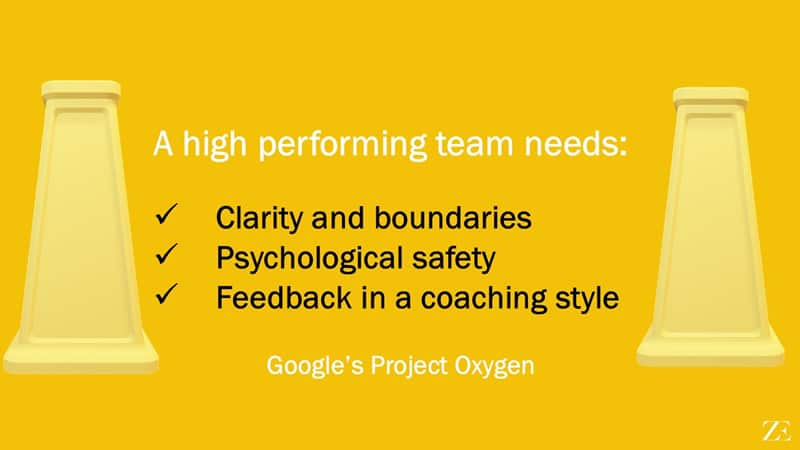
We will explore:
What empowerment is, and what it isn’t
Empowerment sits in the middle between micromanaging and laissez-faire leadership, i.e. hoping for the best. It involves leaders setting clear expectations, building trust then creating space for people to think critically, problem solve and create business opportunities. We’ll discuss how you navigate this line, supporting people who are ready for more responsibility and developing others who aren’t there yet, whilst maintaining a strong performance culture.
The art of giving feedback
Feedback fuels empowerment. Feedback conversations don’t have to be awkward. Handled well, they should provide an opportunity for recognition, growth, better relationships, and increased psychological safety and performance. Leadership is a spectator sport: are you walking the walk by asking for and receiving feedback yourself?
Delegation
Effective delegation empowers team members and provides valuable career development opportunities. It will free up your time to focus on strategic priorities. Team members need the confidence to request more detailed information or briefing when necessary so they are fully empowered to do new tasks.
Building relationships
Empowerment is much easier when you understand the real colleague behind the work face. Do you know what motivates them, their back story, what’s going on in their lives, and why they might respond to stress triggers in surprising ways? It’s harder to build trust and deeper relationships on Teams, so we’ll discuss how to make the most of the time you have with them, including enhancing your listening skills so that people feel heard and validated.
Your leadership style
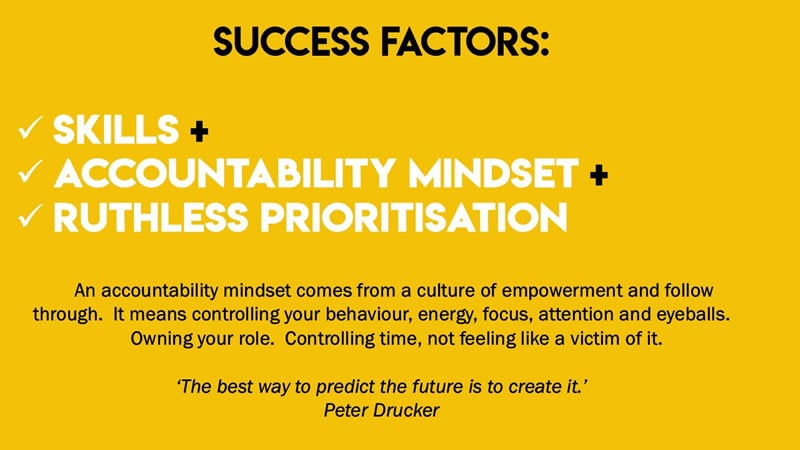
How do you show up as a Leader? Does how you lead naturally empower others, or does delegation feel too risky? Perhaps you tend towards protecting your team or dislike relinquishing control. Using the Parent-Adult-Child model of Transactional Analysis will shift behaviour across the team and make everyone more accountable. We’ll explore ways to run meetings with your team to make them feel more empowered.
Learning Outcomes:
Enhanced use of positive reinforcement as a potent motivator, understanding models to keep feedback impactful by making it specific and related to long-term consequences.
Shifting the monkey: identify ways to increase delegation and more balanced workflow distribution across the team, freeing up precious time to spend on strategy and other higher value tasks.
Deeper awareness of our own behaviour and leadership style and the impact this has on team members.
Leadership as a spectator sport: walking the talk on receiving feedback, listening, and learning.
Who is the session for:
Anyone managing others, from early team leadership right through to highly experienced senior leaders.
Seminar Feedback:
“Best webinar I’ve been on for years, thank you”
What some of the other delegates got out of it:
“Thank you so much it was very helpful. Points on feedback was very encouraging.”
“The 3 pillars for great performance.”
“I love the new way of looking at how to delegate.”
“Some ideas of how to approach difficult situations.”
“Being genuine with feedback.”
“How coaching is a key part of being a leader.”
“How to differentiate ‘coaching’ from ‘coddling’.”
“Don’t make assumptions and take the time to ask questions.”
“Value for me was more blocking out the time to focus on my development and get a refresher on the things I know I should be doing but don’t prioritise.”
“So many! Making feedback constant is probably the highest.”
“The importance of not giving everyone the answers always, giving people guided support to get to the answer.”
“The value in feedback and active listening.”
“Asking those leading questions. Comforting to know I am already employing some concepts along with some new ones to be armed with.”
“I really like the Advocacy V’s enquiry session.”
“Remember that my emotions impact the team!”
“People leave their manager not their company.”
“Parent child adult model to explain lack of accountability.”
“People have to think for themselves.”
“The joint team responsible for output, not the direct reports responsible for output.”
“Mama bear mode is very unhelpful!”
Let's talk about how I can support you:
or call me on: 07968 424650